Lineup Chaos and Vocalist Hunts Define Metal's Identity Crisis While Florida's Underground Prepares Strategic Moves
The metal world is witnessing an unprecedented wave of lineup upheavals and vocalist searches that's reshaping how bands approach their core identities. From Skid Row's methodical hunt for their next frontman to Escuela Grind's musical chairs approach to instrumentation, 2026 has become the year of roster roulette—and Florida's underground metal scene is taking notes.
The New Science of Singer Selection
Skid Row's partnership with musical equipment giant Sweetwater to find their next vocalist represents a seismic shift in how legacy acts approach recruitment. Rather than relying on industry connections or chance encounters, the New Jersey rockers are treating their search like a corporate hiring process—complete with global reach and systematic evaluation.
This methodical approach stands in stark contrast to the traditional metal way of finding band members through local scenes, touring connections, or label recommendations. Rachel Bolan's recent comments about being "pretty focused in on a couple of guys" suggest the process is working, but it also raises questions about authenticity in an genre that values organic chemistry above all else.
For Florida's thrash metal contingent, including established acts like Chaos and rising forces such as Euphoria, this corporate approach to band membership could signal new opportunities. If major labels and management companies start viewing vocalist searches as marketable events rather than internal band business, it could create platforms for regional talent to gain unprecedented exposure.
When One Exit Creates Multiple Position Changes
Escuela Grind's recent lineup shuffle illustrates another trend gaining momentum: bands treating member roles as fluid rather than fixed. When their guitarist departed, the remaining members didn't simply seek a replacement—they restructured entirely, with their drummer transitioning to guitar duties and a new percussionist joining the fold.
This musical chairs approach reflects a broader evolution in how extreme metal acts view instrumentation and creative responsibilities. Rather than being locked into traditional roles, musicians are increasingly willing to adapt and evolve within their groups, treating lineup changes as opportunities for reinvention rather than mere personnel replacement.
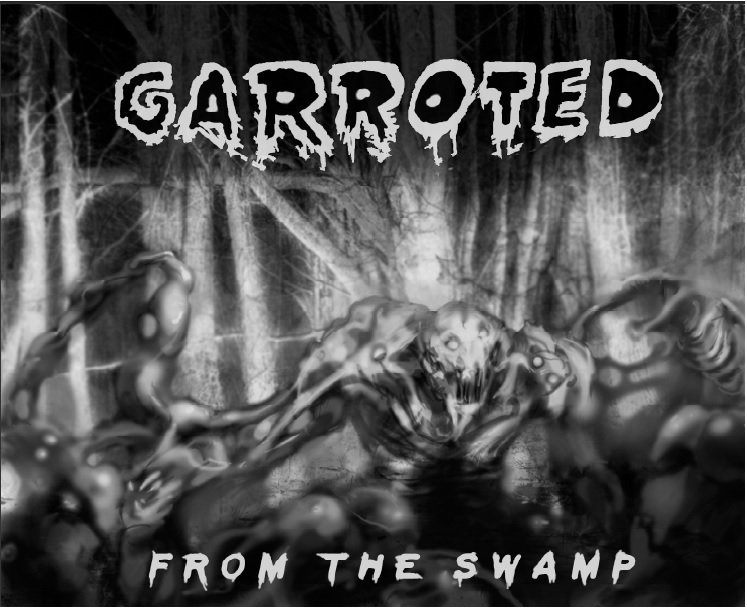
The implications for Florida's extensive death metal and thrash communities are significant. Bands like Garroted and Announce the Apocalypse could benefit from this flexible approach to member roles, especially given the challenges of maintaining stable lineups in a state where musicians frequently relocate or pursue multiple projects simultaneously.
The Cruise Ship Economy and Florida's Geographic Advantage
Creed's announcement of their 2027 Miami-based cruise festival, featuring Breaking Benjamin, Sevendust, and other post-grunge heavyweights, underscores Florida's growing importance as a launching point for maritime metal events. The cruise industry's embrace of rock and metal festivals has created an entirely new revenue stream that heavily favors Florida-based operations.
This development particularly benefits the state's groove metal and southern metal acts, whose sound profiles align well with the demographic targeting these cruise experiences. Bands like Swamp Tooth and Half Ton Hammer could find new opportunities in this maritime market, especially as cruise operators seek to differentiate their offerings with regional flavor and authentic Southern metal experiences.
The timing also coincides with broader tourism recovery patterns, positioning Florida's metal scene to capitalize on both domestic and international visitors seeking unique musical experiences.
Defending the Legacy Act Phenomenon
Judas Priest guitarist Richie Faulkner's recent defense of bands touring without classic lineups touches on one of metal's most contentious debates. His "don't go if you don't want to see them" stance reflects a pragmatic approach that prioritizes music over nostalgia, but it also highlights the commercial pressures facing veteran acts.
This debate holds particular relevance for Florida's metal veterans. Acts that emerged from the state's fertile 1980s and 1990s scenes now face similar decisions about how to handle member departures, health issues, or creative differences. The precedent set by touring legacy acts could influence how Florida bands approach their own longevity strategies.
The discussion also extends to tribute bands and cover acts, which have become increasingly sophisticated in their presentations. Florida's tribute scene has always been robust, but the legitimization of lineup changes in major acts could create new opportunities for high-quality tribute performances to gain broader acceptance.
Florida's Strategic Response to Industry Upheaval
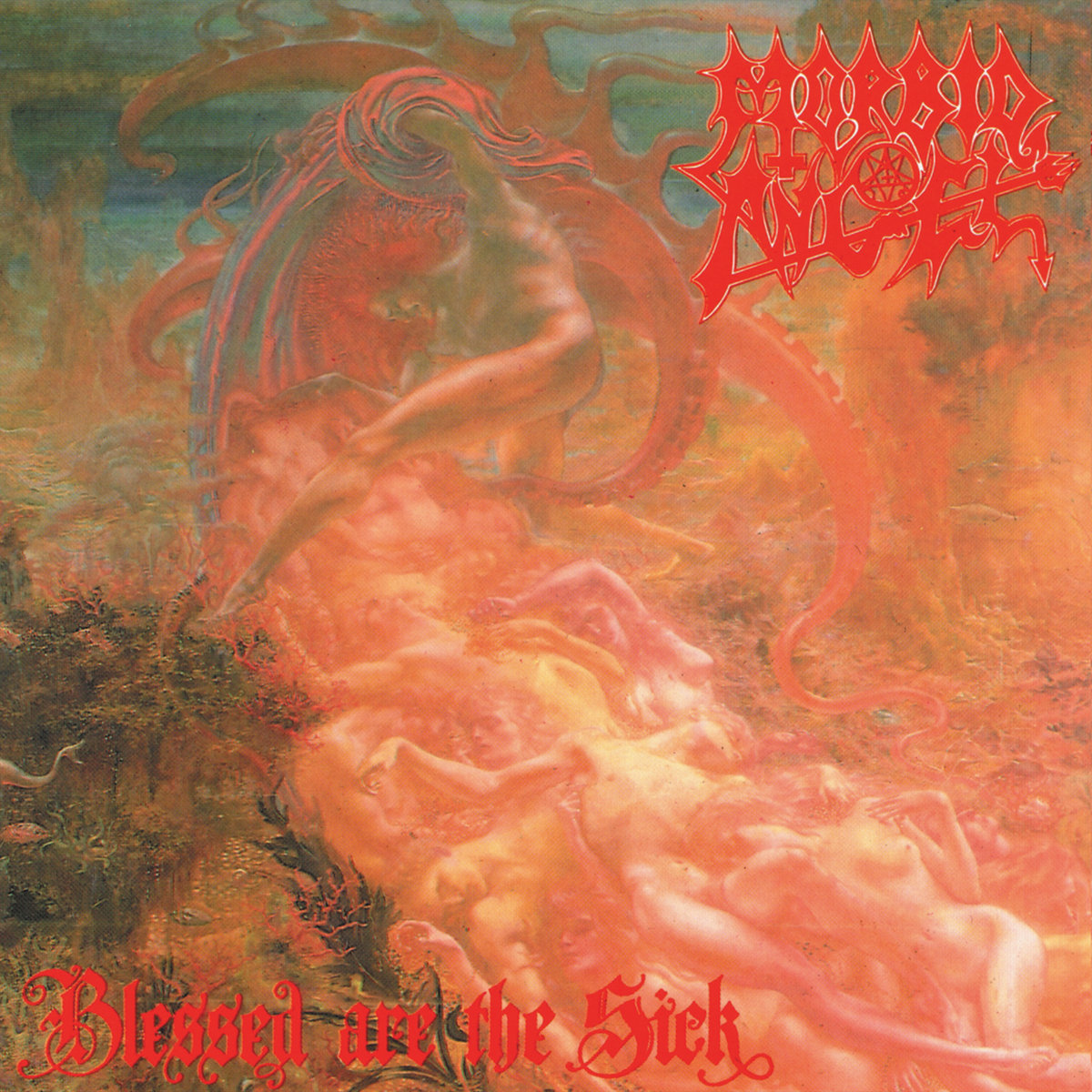
While major label acts experiment with corporate recruitment strategies and fluid lineups, Florida's underground metal scene is positioned to benefit from the resulting chaos. The state's established death metal legacy, anchored by pioneers like Morbid Angel and Obituary, provides credibility that newer scenes lack.
More importantly, Florida's geographic advantages—proximity to cruise departure points, year-round touring weather, and established venue networks—create opportunities for local acts to capitalize on industry trends without abandoning the authenticity that defines extreme metal.
The current wave of lineup instability among established acts could also benefit Florida's more experimental bands. Groups pushing genre boundaries, like those exploring the intersection of black metal and progressive elements, may find audiences more receptive to innovative approaches when traditional band structures are already in flux.
The Underground Advantage
Testament's documentation of their "Thrash of the Titans" tour reflects another industry trend: the increasing professionalization of metal touring, complete with behind-the-scenes content and strategic marketing. This approach, once limited to mainstream rock acts, is becoming standard practice across extreme metal subgenres.
For Florida's thrash metal contingent, this professionalization trend offers both opportunities and challenges. While it provides templates for improving promotion and documentation, it also raises the bar for what constitutes professional presentation in the genre.
The solution may lie in embracing authenticity over polish—something Florida's metal scene has always excelled at. Rather than competing with corporate resources, local acts can leverage their genuine connections to place and community, offering experiences that manufactured nostalgia cannot replicate.
As the metal industry continues its evolution through corporate partnerships, cruise festivals, and flexible lineup approaches, Florida's diverse metal scene stands ready to adapt and thrive. The key lies in recognizing which trends serve artistic goals and which merely follow market forces—a distinction that has always defined the difference between lasting metal and passing trends.