Generation Gap Widens in Metal as Veteran Acts Rebuild While Fresh Talent Awaits Recognition
The metal scene is experiencing a fascinating generational divide as legendary acts undergo major transitions while younger bands struggle for recognition in an increasingly fragmented industry. Recent developments showcase how established names are reshaping their legacies even as emerging artists face new challenges in building sustainable careers.
Veteran Acts Navigate Post-Classic Lineups
Godsmack's Sully Erna recently confirmed plans for new music without any original bandmates, marking another milestone in metal's ongoing evolution beyond founding members. This trend reflects a broader industry shift where brand names carry more weight than individual musicians, creating both opportunities and artistic tensions.
Similarly, Judas Priest guitarist Richie Faulkner expressed reluctance to continue the band without classic-lineup members, highlighting the philosophical divide between preserving legacy authenticity and maintaining commercial viability. These decisions ripple through the metal community, influencing how both fans and musicians view band continuity.
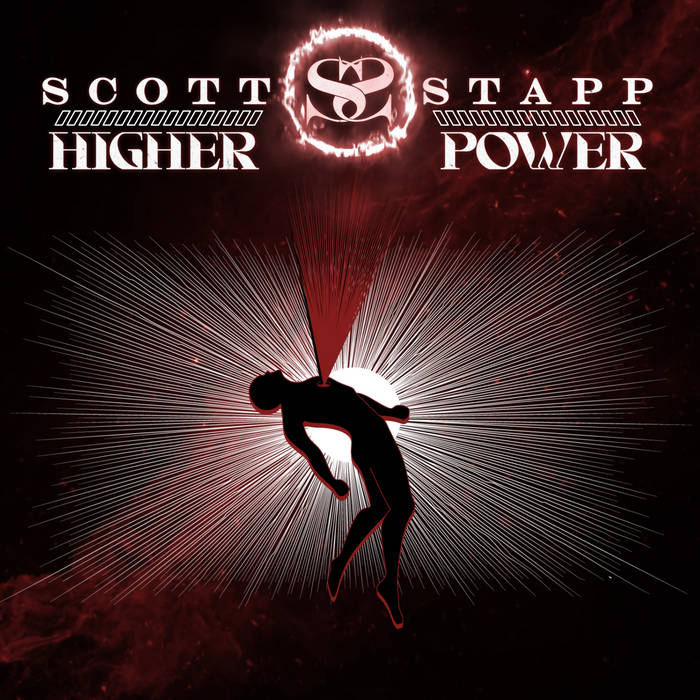
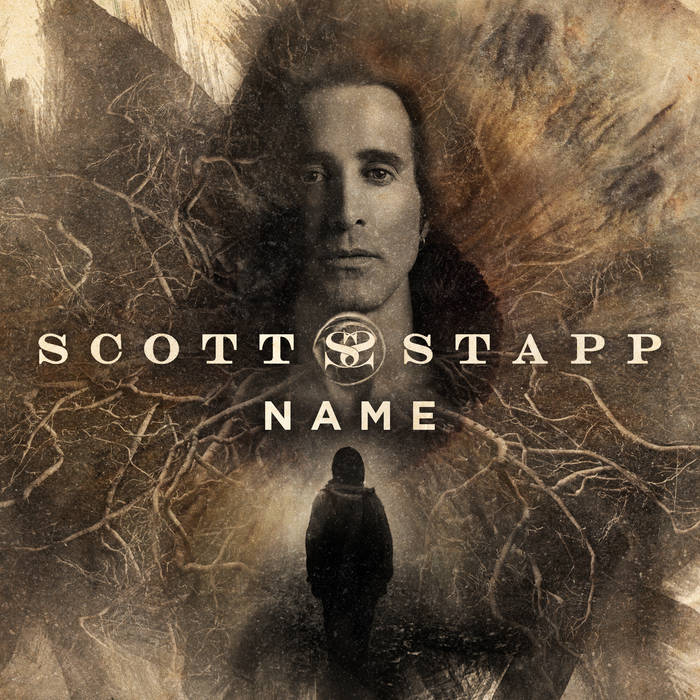
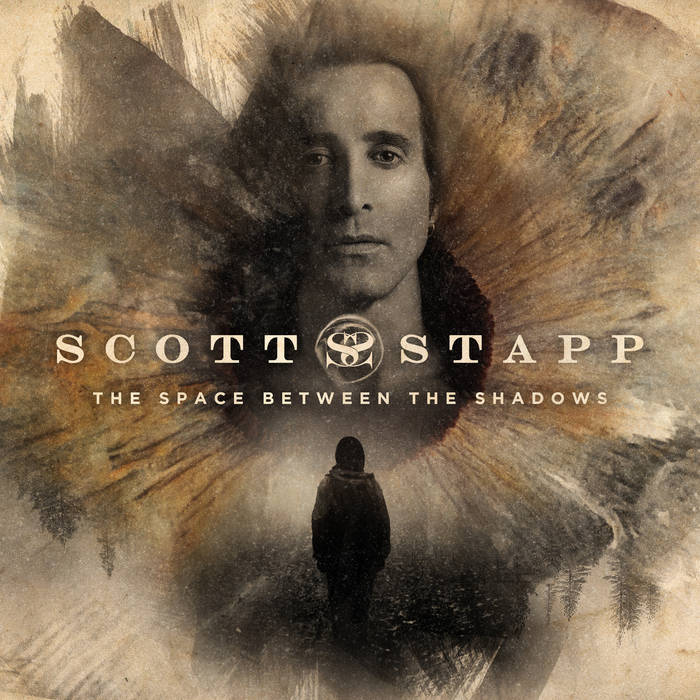
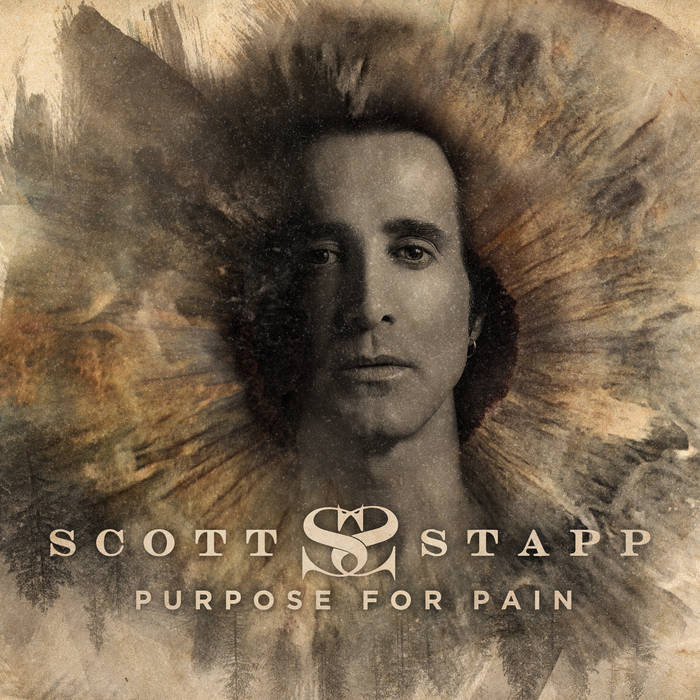
The collaborative approach has also gained traction, with unexpected partnerships like Chris Daughtry joining Creed during their cruise performance creating buzz around cross-genre experimentation. Scott Stapp's involvement in these maritime metal experiences demonstrates how Florida artists continue pushing creative boundaries through unconventional venues.
Underground Scenes Face Recognition Challenges
While veteran acts navigate lineup changes and collaborative projects, underground metal scenes grapple with visibility challenges that previous generations rarely faced. The oversaturation of digital platforms means exceptional talent often gets lost in the noise, creating a stark contrast to the organic discovery methods that propelled earlier metal movements.
Florida's diverse extreme metal landscape exemplifies these struggles, where technically proficient bands in genres like brutal death metal and crossover thrash produce world-class material but struggle to reach audiences beyond local scenes. The state's rich musical heritage, from Tampa's death metal legacy to Miami's crossover innovations, provides a foundation that younger acts build upon while fighting for recognition.
This visibility gap affects particularly underserved genres within the metal spectrum. Power metal acts, despite technical mastery and devoted fanbases, rarely achieve the mainstream crossover success of their European counterparts. Similarly, stoner metal bands craft compelling sonic landscapes but compete against countless similar acts for limited audience attention.
Industry Structural Changes Impact All Levels
The generational divide extends beyond artistic decisions into business structures that fundamentally alter how metal operates. Touring packages increasingly favor established names, making it harder for newer acts to access quality support slots that historically launched careers. This creates a feedback loop where veteran acts maintain visibility while fresh talent remains marginalized.
Record label priorities have shifted toward safer investments, often favoring reformed classic lineups or established brand names over unproven artists. This approach provides short-term stability but potentially stifles long-term genre evolution by limiting opportunities for innovative voices to emerge.
Social media algorithms compound these challenges by promoting content that already generates engagement, making it exponentially harder for unknown acts to break through organically. The democratization of music distribution paradoxically created new barriers to discovery that particularly impact metal's more extreme subgenres.
Creative Evolution Versus Commercial Pressure
The tension between artistic growth and commercial demands manifests differently across metal's generational spectrum. Veteran musicians like Sepultura's Derrick Green planning new projects after the band's retirement demonstrate how experienced artists can leverage established reputations to explore creative territories that might be commercially risky for newcomers.
Younger acts face pressure to establish immediately recognizable sounds while simultaneously differentiating themselves in crowded markets. This balancing act often results in either derivative material that fails to stand out or experimental approaches that alienate potential audiences before building core fanbases.
The cruise ship metal phenomenon represents one innovative solution, creating controlled environments where established acts can experiment with collaborations and newer bands can access captive audiences. However, these premium experiences often exclude the very fans who most need affordable access to live music.
Regional Scenes Adapt to Changing Dynamics
Florida's metal community illustrates how regional scenes adapt to these broader industry challenges. The state's geographic advantages, including major ports for cruise ship events and year-round touring weather, position local acts to capitalize on alternative venue concepts and festival innovations.
Local scenes benefit from cross-pollination between established Florida acts and emerging talent, creating mentorship opportunities that transcend traditional industry gatekeepers. This organic support system helps bridge generational gaps while maintaining the state's reputation for producing influential heavy music.
The success of technical death metal bands like Crusade demonstrates how Florida artists can achieve recognition through relentless touring and strategic use of digital platforms. However, such success stories remain exceptional rather than typical, highlighting the challenges most emerging acts face.
Future Implications for Metal's Evolution
The widening generational gap in metal could fundamentally reshape the genre's future direction. If veteran acts continue dominating touring circuits and media attention while younger bands struggle for recognition, metal risks becoming a nostalgia-driven genre rather than a living, evolving art form.
However, the same challenges that create barriers also foster innovation. Bands forced to find alternative paths often develop unique approaches that eventually influence broader metal trends. The necessity of standing out in oversaturated markets pushes artists toward creative risks that might not have emerged under more stable industry conditions.
Florida's position within this evolving landscape remains strong due to its established infrastructure and cultural support for heavy music. The state's ability to nurture both established acts and emerging talent while facilitating cross-generational collaboration could serve as a model for other regional scenes facing similar challenges.
The metal community's response to these generational tensions will determine whether the genre maintains its innovative spirit or gradually calcifies around established formulas. Early indicators suggest that collaboration, rather than competition, between generations offers the most promising path forward for sustaining metal's creative vitality in an increasingly challenging industry environment.