Equipment Theft Crisis and Punk Revival Signal Florida's Underground Resilience Amid Stadium Metal's Production Surge
The metal world continues grappling with an epidemic of equipment theft even as established acts push forward with ambitious new projects, creating a stark contrast between the underground's survival struggles and the mainstream's production renaissance. Recent developments highlight both the vulnerability of touring musicians and the relentless creative drive that defines metal's enduring spirit.
The Equipment Theft Epidemic Hits Close to Home
Former Saliva frontman Josey Scott's recent reunion with his stolen touring equipment serves as a sobering reminder of the challenges facing working musicians across the metal spectrum. Scott's successful recovery of his trailer and gear through Tulsa police intervention represents a rare victory in what has become an increasingly common nightmare for touring acts nationwide.
This crisis particularly impacts Florida's extensive touring circuit, where countless bands traverse interstate highways carrying everything they own in trailers and vans. The state's position as a gateway to national touring routes makes Florida-based acts especially vulnerable to equipment theft, creating financial barriers that can end careers before they truly begin.
For Florida's thrash metal scene, including acts like Ares and Shot, the equipment theft epidemic represents an existential threat to bands already operating on razor-thin margins. The cost of replacing stolen gear often exceeds what underground acts can generate from months of regional touring, forcing difficult decisions about continuing to pursue music professionally.
International Touring Challenges Reshape Metal Economics
Venom's candid assessment of international touring economics reveals deeper structural problems within metal's business model. The legendary black metal pioneers' comparison of international bands to vampires needing invitation reflects the harsh reality that rising costs have made cross-continental touring prohibitively expensive for all but the most established acts.
This economic squeeze particularly affects Florida's metal scene, which has historically benefited from international touring packages that include the state in southeastern regional circuits. When legendary acts like Venom struggle to justify American touring costs, it reduces opportunities for local bands to secure opening slots and gain exposure to international metal audiences.
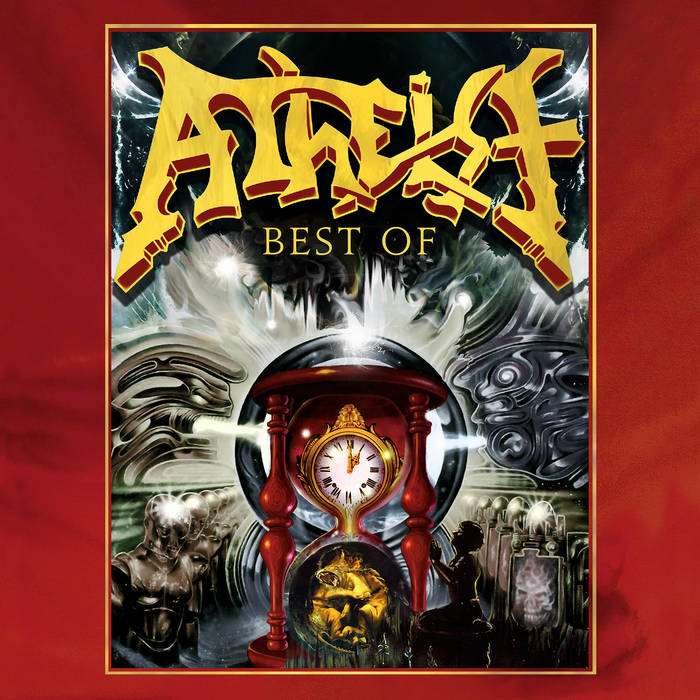
The ripple effects extend beyond individual shows to festival participation and collaborative opportunities. Florida's Atheist helped pioneer technical death metal partly through exposure to international scenes, but today's economic barriers make such cross-pollination increasingly difficult for emerging acts.
Studio Productions Signal Creative Renaissance
While touring faces economic headwinds, studio production continues surging forward with ambitious projects from established acts. Sevendust's work with producer Michael "Elvis" Baskette at Studio Barbarosa in Gotha, Florida, demonstrates the state's continued importance as a recording destination for major metal acts.
Darkest Hour's new deal with MNRK Heavy and Motionless in White's completion of their upcoming record reflect broader industry confidence in metal's commercial viability despite touring challenges. These productions represent significant financial investments in content creation, suggesting labels remain bullish on metal's streaming and merchandise potential.
The contrast between production confidence and touring hesitancy signals a fundamental shift in metal economics. Acts are investing heavily in recorded content while scaling back live performance commitments, potentially reshaping how bands build audiences and generate revenue.
Punk Revival Meets Metal Ambition
Social Distortion's return after fifteen years with "Born to Kill" represents more than just another veteran comeback – it signals punk's renewed relevance in an increasingly polarized cultural landscape. Mike Ness's promise to "shock everybody" with faster album turnaround suggests punk's DIY ethos may offer lessons for metal acts struggling with extended production cycles.
This punk revival creates opportunities for Florida's crossover acts that blend metal and hardcore influences. The renewed interest in punk's directness and political edge could benefit bands that combine metal's technical prowess with punk's urgent messaging, particularly in a state with diverse political and cultural tensions.
Armored Saint's new material demonstrates how veteran acts are successfully balancing accessibility with metal credibility, creating templates that Florida bands can adapt for regional and national audiences seeking both musical complexity and immediate impact.
Fan Engagement Evolution
No Cure's call for fan participation in their Birmingham music video shoot represents evolving approaches to content creation that prioritize community engagement over production budgets. This grassroots strategy could prove particularly valuable for Florida acts seeking to maximize limited resources while building dedicated regional fanbases.
Peter Criss's exclusive meet-and-greet events surrounding his first solo album in nearly two decades demonstrate how veteran acts are creating premium fan experiences that generate revenue beyond traditional touring models. These intimate engagement strategies could provide blueprints for Florida metal acts looking to monetize their dedicated regional followings.
The success of these alternative engagement models suggests that Florida's metal scene may need to embrace innovative approaches to fan interaction rather than relying solely on traditional touring and merchandise sales.
Florida Scene Positioning for Evolution
The current industry dynamics create both challenges and opportunities for Florida's diverse metal ecosystem. Equipment theft concerns and international touring economics pose genuine threats to emerging acts, but the continued investment in production and evolving fan engagement models offer alternative pathways to success.
Florida's established infrastructure – from Gotha recording studios to extensive venue networks – positions the state to benefit from metal's adaptation to changing economic realities. As bands seek cost-effective production options and alternative revenue streams, Florida's combination of professional facilities and lower operational costs becomes increasingly attractive.
The state's new metal bands in 2026 face a landscape where traditional pathways to success are disrupted but new opportunities are emerging. Success will likely require embracing multiple strategies simultaneously: protecting equipment investments, exploring innovative fan engagement, and leveraging Florida's production infrastructure to create content that transcends geographical limitations.
For Florida's best metal bands, the current industry turbulence represents both warning and opportunity. Those who adapt quickly to changing economics while maintaining musical integrity will find themselves well-positioned as metal's business model continues evolving. The state's metal scene has always thrived on resilience and innovation – qualities that may prove more valuable than ever in navigating the current industry transformation.