Thrash Legends Return While Controversial Memoirs and DIO Tributes Define Metal's Complex Legacy
The metal world finds itself at a fascinating crossroads where thrash titans announce their return, controversial autobiographies face legal roadblocks, and legendary figures receive continued reverence. This convergence of new material, suppressed stories, and enduring tributes reflects the genre's ongoing struggle between creative evolution and its complex past.
Anthrax and Exodus Lead Thrash's Strategic Renaissance
Anthrax's upcoming twelfth album Cursum Perficio, arriving September 18th via Megaforce Records in the U.S. and Nuclear Blast in Europe, represents a significant moment for thrash metal's elder statesmen. After a decade-long gap between studio releases, the band's return carries weight beyond simple nostalgia. Scott Ian's recent commentary about governmental failures to protect children suggests the album will maintain Anthrax's tradition of politically charged material, a characteristic that has defined much of their catalog since the 1980s.
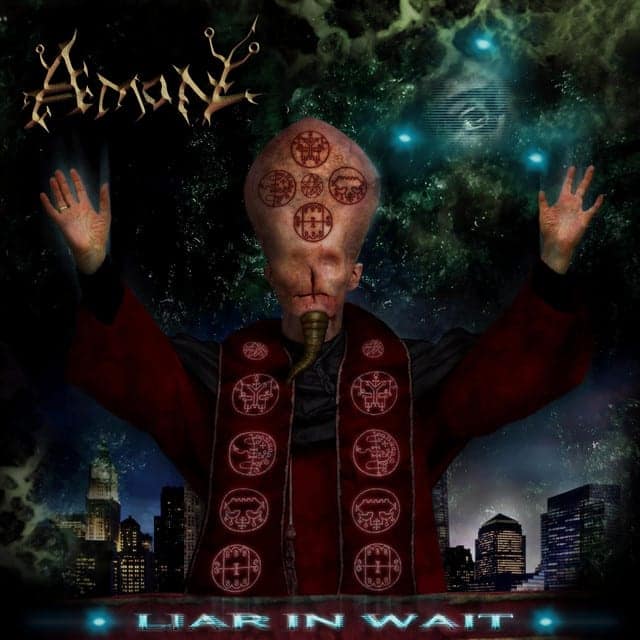
Meanwhile, Exodus continues their momentum with Goliath, released in March through Napalm Records. Gary Holt's praise for vocalist Rob Dukes highlights the band's commitment to "ultra-aggressive, violent thrash" that maintains their reputation as one of the genre's most uncompromising acts. This approach resonates particularly well with Florida's extreme metal scene, where bands like Noir and Amon carry forward similar aggressive philosophies in their death and black metal approaches.
The thrash revival's impact on Florida's metal scene cannot be understated. While the state has long been recognized for death metal innovation, the thrash influence runs deep through acts like Traitor Crucifix, whose crossover thrash approach directly connects to the Bay Area legacy that Exodus helped establish. The timing of these major thrash releases creates opportunities for Florida's emerging bands to showcase their own interpretations of the genre.
Legal Complications Surround Controversial Stories
Former Queensrÿche frontman Geoff Tate's revelation that his completed autobiography may never see release due to legal concerns highlights the complex relationship between metal's past and present. When Tate states his lawyer considers the memoir "way too dangerous to release," it raises questions about what stories remain untold within metal's history and how legal considerations shape the narratives that reach public consumption.
This situation reflects broader issues within the metal community regarding accountability, truth-telling, and the protection of various parties involved in controversial events. For Florida's metal scene, which has witnessed its own share of dramatic band histories and personnel changes, Tate's predicament serves as a cautionary tale about documentation and the potential consequences of complete transparency.
The suppression of potentially revealing content also speaks to ongoing power dynamics within the music industry, where legal frameworks often determine which stories achieve public awareness. Florida metal bands, particularly those achieving national recognition, would be wise to consider these implications as they navigate their own career developments and potential future documentation efforts.
DIO's Enduring Influence on Metal's Spiritual Core
The annual remembrance of Ronnie James Dio's passing sixteen years ago continues to demonstrate his profound impact on metal's spiritual and aesthetic foundations. His influence extends far beyond his vocal contributions to Black Sabbath, Rainbow, and his solo career, encompassing the mythology and imagery that define much of modern metal expression.
Primus's recent cover of DIO's "Holy Diver" on their new EP A Handful Of Nuggs exemplifies how contemporary acts continue drawing from DIO's catalog for inspiration. While Primus operates in a distinctly different musical realm, their interpretation acknowledges the cross-pollination that occurs when artists recognize foundational influences regardless of genre boundaries.
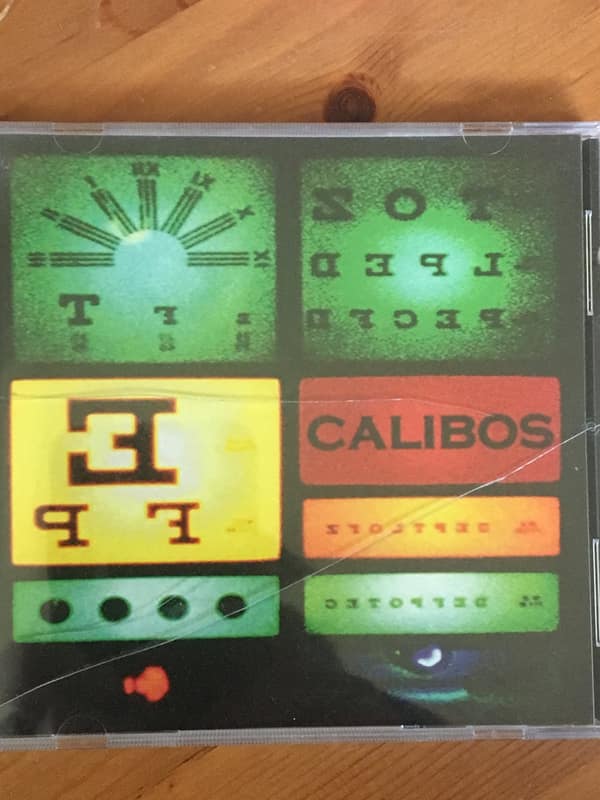
For Florida's diverse metal landscape, DIO's legacy provides a template for combining technical proficiency with mythological storytelling. Bands like Calibos, who work within power metal and speed metal territories, directly inherit aspects of DIO's approach to epic narratives and soaring vocal arrangements. The continued relevance of his influence demonstrates how certain artistic contributions transcend their original context to become essential components of metal's DNA.
New Material and Regional Recognition Patterns
The completion of Staind's ninth studio album for a 2027 release represents another example of veteran acts carefully timing their returns to maximize impact. Their strategic approach to album completion and release scheduling reflects industry lessons learned from previous comeback attempts and the importance of proper preparation in an increasingly competitive market.
Hatebreed's teasing of material from their upcoming ninth album demonstrates how established hardcore and metal crossover acts maintain audience engagement during extended periods between releases. Their "all heaters, no cheaters" promise suggests a commitment to quality control that resonates with fans who expect consistency from veteran acts.
These developments create interesting parallels for Florida's metal scene, where acts at various career stages must balance creative ambitions with realistic assessments of industry timing and audience expectations. The success patterns established by these national acts provide valuable case studies for regional bands considering their own strategic approaches to material release and career development.
Genre Evolution and Cross-Pollination Opportunities
The diverse range of musical approaches represented in current metal releases demonstrates the genre's continued expansion beyond traditional boundaries. From Primus's experimental tendencies to Exodus's pure thrash aggression, successful metal acts increasingly define themselves through distinctive approaches rather than strict adherence to genre conventions.
This evolution creates opportunities for Florida's metal bands to explore unique combinations of influences and techniques. The state's musical diversity, spanning from brutal death metal to atmospheric black metal to crossover thrash, provides an ideal environment for experimentation and genre-blending approaches that could achieve national recognition.
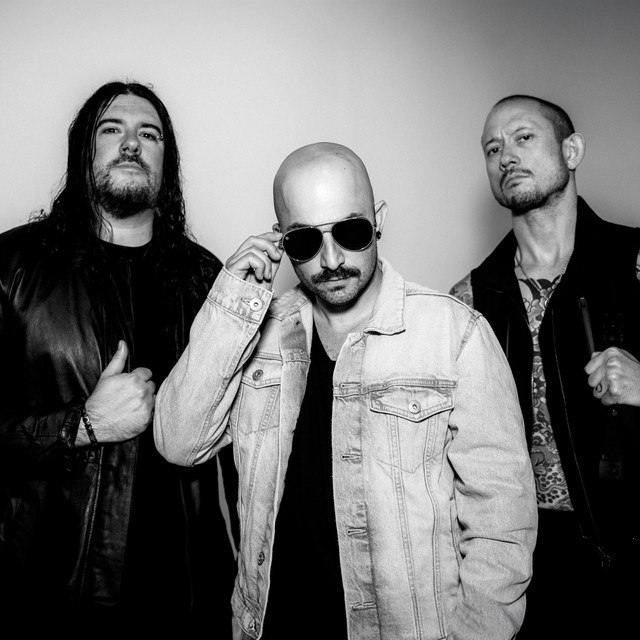
The key lies in understanding how established acts maintain their core identities while incorporating new elements or revisiting classic approaches with fresh perspectives. Florida's Trivium has successfully demonstrated this balance throughout their career, showing how regional acts can achieve sustained national success through strategic evolution.
Industry Implications for Emerging Acts
The current landscape of veteran returns, legal complications, and tribute activities creates both challenges and opportunities for emerging metal acts. Established bands command significant attention and resources, but their activities also generate increased interest in metal as a whole, potentially benefiting newer acts that can effectively position themselves within these broader conversations.
For Florida's metal scene, the emphasis on quality material, strategic timing, and authentic expression demonstrated by these veteran acts provides a roadmap for career development. The state's reputation as a breeding ground for innovative metal approaches positions local bands well to capitalize on increased genre attention, provided they can deliver material that meets the high standards being set by returning legends.
The challenge lies in standing out within an increasingly crowded field while maintaining the creative integrity that defines the best metal bands from florida and elsewhere. Success requires balancing respect for metal's traditions with the innovation necessary to capture contemporary audiences' attention.