Production Nightmares and Creative Comebacks: How Stage Effects Gone Wrong Reveal Metal's Technical Evolution
The modern metal concert has become an increasingly complex theatrical experience, and recent events across the national circuit demonstrate both the spectacular possibilities and catastrophic failures that define today's live music industry. When production elements collide with venue safety systems, the results offer valuable lessons for Florida's diverse metal scene as bands navigate the balance between visual spectacle and reliable performance delivery.
When Smoke Machines Become Fire Hazards
Dethklok's recent Milwaukee performance disaster serves as a stark reminder of how advanced stage production can derail even the most professional touring operations. The adult swim cartoon-inspired metal project's ambitious fog and smoke effects triggered venue fire safety systems, cutting short their headlining set after co-headliners Amon Amarth and openers Castle Rat performed earlier without incident. This technical catastrophe highlights the delicate balance between creating immersive visual experiences and maintaining venue compliance.
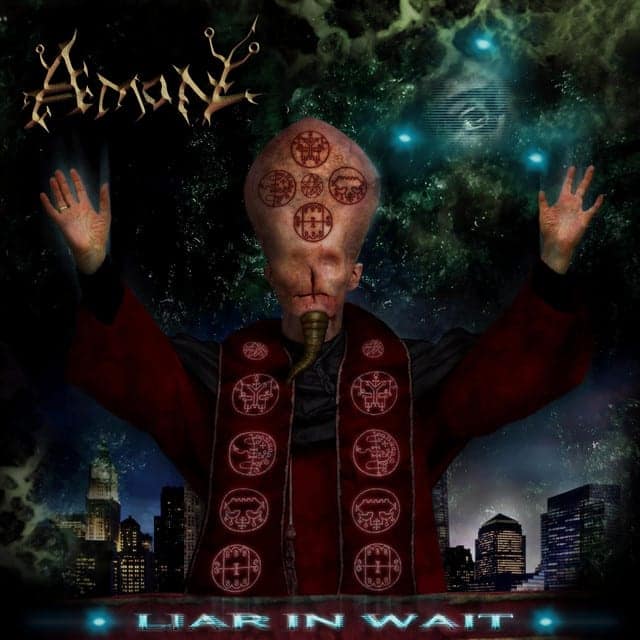
For Florida metal bands observing these industry developments, the implications extend far beyond equipment choices. Amon, representing Florida's black and death metal traditions, understands that consistent performance delivery trumps elaborate production elements when building sustainable touring careers. The contrast between Amon Amarth's trouble-free set and Dethklok's technical disaster demonstrates how experienced touring acts prioritize reliability over spectacle.
The Milwaukee incident reflects broader trends in metal's production evolution. Venues across the country are implementing stricter fire safety protocols, particularly for theatrical metal acts that rely heavily on pyrotechnics, fog machines, and atmospheric effects. Florida venues have similarly tightened regulations, creating challenges for local bands accustomed to elaborate stage presentations.
Veteran Acts Navigate Creative Renewal
While technical disasters grab headlines, the more significant industry story involves veteran acts successfully navigating creative renewal phases. Armored Saint's new material demonstrates how established bands can maintain relevance without abandoning core identity elements. Their latest track showcases the careful balance between familiar songwriting approaches and contemporary production values that define successful metal longevity strategies.
Pop Evil's announcement regarding their ninth studio album development reveals the systematic approach that separates professional touring acts from regional contenders. Frontman Leigh Kakaty's statements about the band's excitement for new material creation underscore the disciplined work ethic required for sustained success in modern metal's competitive landscape. Their methodical album development cycle offers strategic insights for Florida bands planning long-term career trajectories.
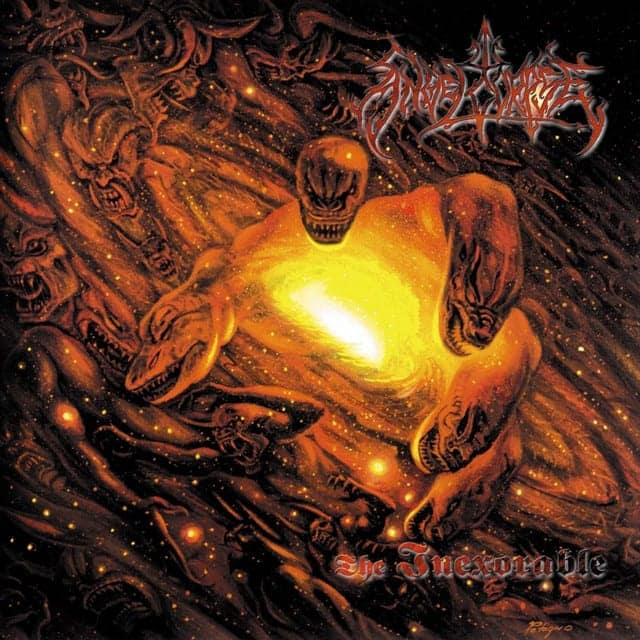
These veteran approaches contrast sharply with the production-dependent spectacle that failed Dethklok in Milwaukee. While visual elements enhance live experiences, sustainable metal careers depend on fundamental songwriting strength and consistent performance delivery. Florida's metal scene, with its deep roots in death metal authenticity through legendary acts like Death and Angelcorpse, understands this balance between innovation and reliability.
Technical Mastery vs. Theatrical Ambition
Deep Purple guitarist Simon McBride's recent comments about the challenges of performing seemingly simple classics like "Smoke on the Water" illuminate another crucial aspect of professional metal performance. His observation that straightforward songs often present the greatest technical challenges speaks to the importance of fundamental musicianship over flashy presentation elements.
This perspective gains additional significance when contrasted with production-heavy acts that prioritize visual spectacle over musical execution. McBride's emphasis on technical precision reflects the professional standards that allow veteran acts to maintain touring careers across multiple decades. For Florida metal musicians, these insights highlight the importance of developing solid instrumental foundations before investing in elaborate stage productions.
Kreator's Mille Petrozza has similarly emphasized the importance of fundamental songwriting and performance skills, citing Metallica's "Blackened" as an example of how technical complexity can serve musical expression rather than overshadowing it. These veteran perspectives offer valuable guidance for emerging Florida metal acts deciding how to allocate limited resources between equipment, production elements, and skill development.
Industry Lessons for Florida's Metal Community
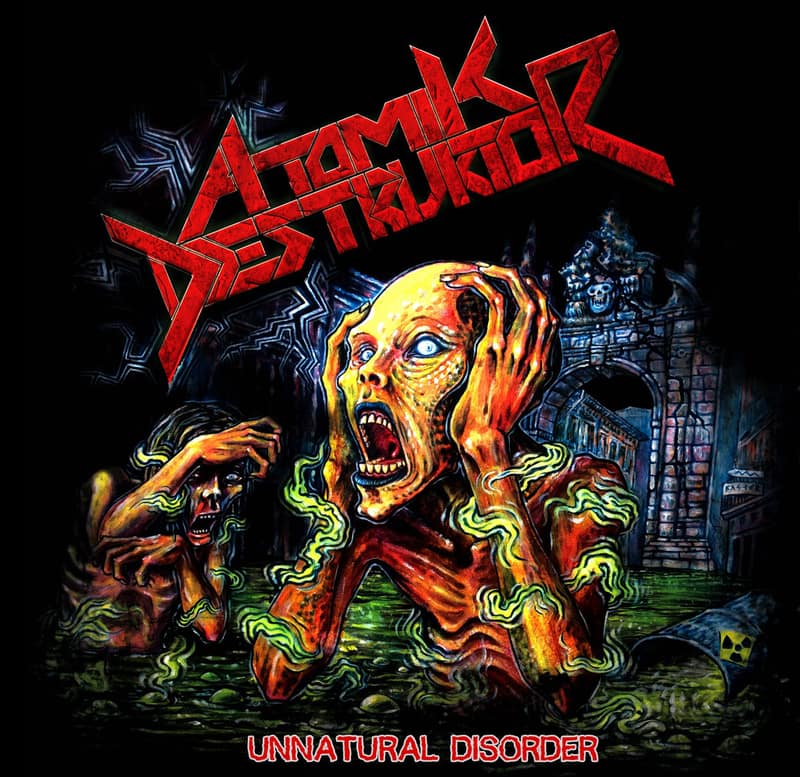
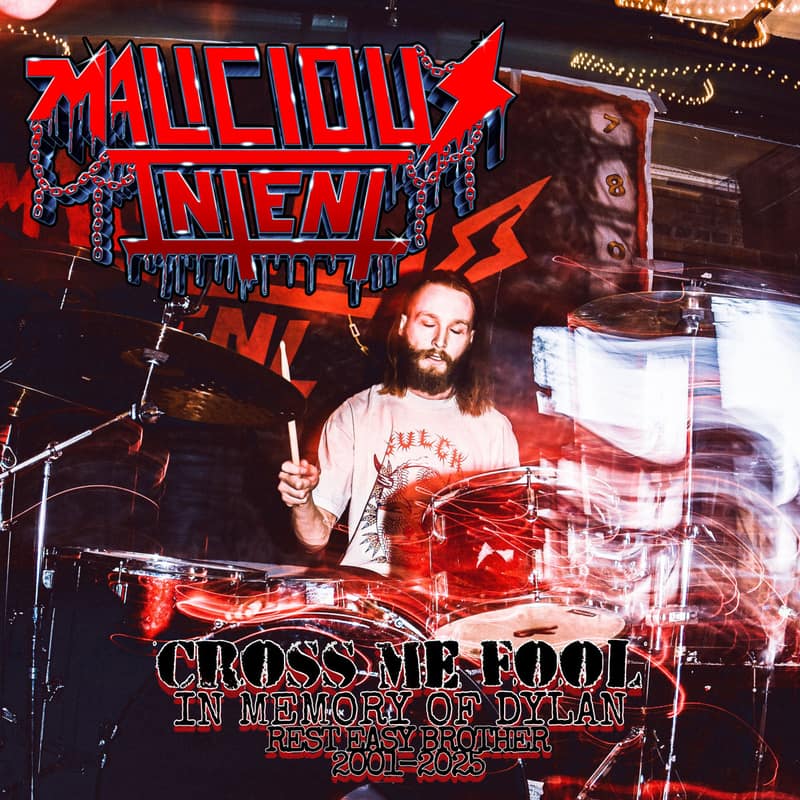
The contrast between successful veteran performances and production disasters reveals important strategic considerations for Florida's metal bands. Local acts like Atomik and Malicious Intent, operating in thrash metal's technically demanding arena, must balance audience expectations for energetic live experiences with practical limitations of venue requirements and equipment reliability.
Florida's diverse metal scene benefits from observing how different approaches to live performance affect touring sustainability. Death metal acts can learn from the stripped-down efficiency that keeps veteran bands like Amon Amarth performing consistently, while progressive and theatrical metal bands must consider the technical risks associated with complex stage productions.
Recent changes in venue safety protocols create particular challenges for Florida metal acts planning tour expansions. The Milwaukee incident demonstrates how fire safety systems can override artistic intentions, making equipment reliability and venue compliance essential considerations for bands developing live performance strategies.
The Future of Metal Performance Technology
Band departures and lineup changes, as evidenced by Adema's recent drummer situation, often reflect deeper issues with touring demands and professional expectations. The intersection of technological complexity and human reliability creates ongoing challenges for metal acts attempting to maintain consistent performance standards while incorporating advanced production elements.
Ritchie Blackmore's recent comments about pulling back from extensive touring highlight how even legendary musicians must adapt their approaches as industry demands evolve. His health-related tour cancellations underscore the physical and logistical challenges that accompany elaborate live productions, particularly for veteran performers.
For Florida's metal scene, these industry developments signal the importance of sustainable performance approaches that prioritize longevity over short-term spectacle. Upcoming shows across the state will likely reflect these evolving priorities as local bands adapt their live performance strategies to match contemporary industry standards.
The Milwaukee disaster ultimately serves as a cautionary tale about the risks of prioritizing visual elements over fundamental performance reliability. Florida's metal community, built on the authentic foundations established by pioneering death metal acts, remains well-positioned to navigate these challenges by maintaining focus on musical excellence while carefully integrating appropriate technological enhancements.
As the industry continues evolving, successful metal acts will be those that master the balance between innovation and reliability, creating memorable live experiences without sacrificing the consistency that builds lasting fan relationships and sustainable touring careers.