Tampa's Fire Hazards and Death Metal Legacies: When Production History Meets Modern Venue Safety
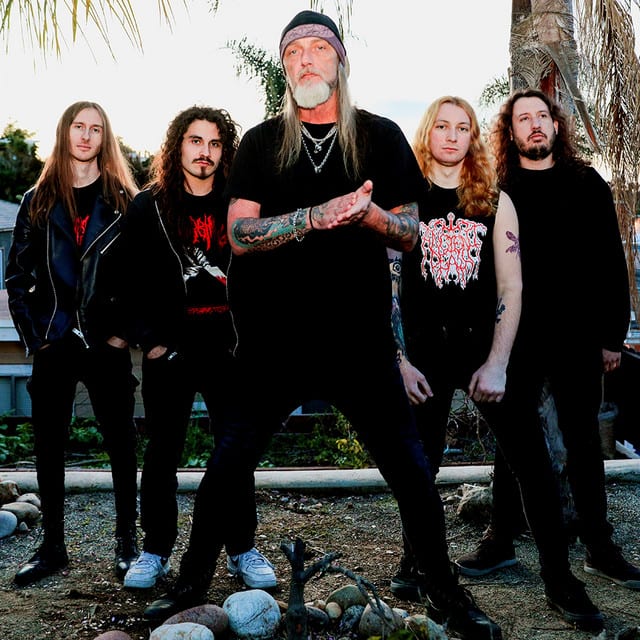
The juxtaposition couldn't be more striking: as legendary producer Scott Burns reflects on Tampa's role in legitimizing death metal during the 1990s underground explosion, modern Florida venues are literally catching fire during major touring productions. This week's events highlight both the enduring influence of Florida's extreme metal heritage and the ongoing challenges facing the state's live music infrastructure.
When Stages Ignite: Evanescence's Tampa Fire Incident
Friday night's stage fire at MIDFLORIDA Credit Union Amphitheatre during Evanescence's performance represents more than just a technical malfunction—it's a stark reminder of the safety considerations that accompany major touring productions in Florida's evolving venue landscape. The incident occurred during "Calm Down," ironically as the band was delivering one of their most intense performances of their 2026 North American tour.
What makes this particularly noteworthy is how quickly venue staff responded to contain the situation, demonstrating the kind of professional protocol that has become essential as Florida venues host increasingly elaborate productions. The fire didn't derail the show entirely, but it did underscore the complex technical requirements modern touring acts bring to venues across the state.
Florida's amphitheater circuit has become a crucial testing ground for major tours, with West Palm Beach's iTHINK Financial Amphitheatre hosting Evanescence's tour opener just one night before the Tampa incident. This back-to-back scheduling through Florida venues reflects the state's strategic importance in touring logistics, but also exposes potential stress points when venues handle rapid turnover of complex stage productions.
Scott Burns and the Morrisound Legacy
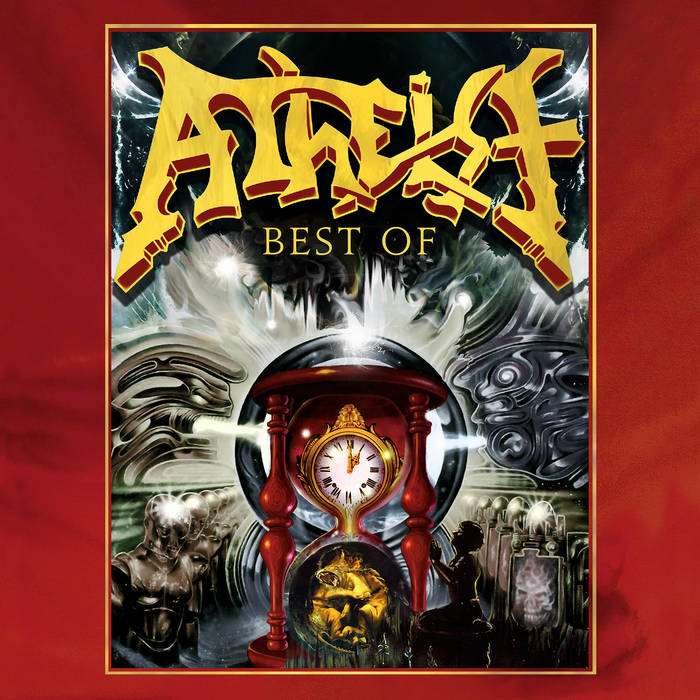
While modern venues grapple with production safety, Tampa's musical legacy continues to resonate through Scott Burns' recent reflections on the death metal era that defined a generation. Burns' work at Morrisound Recording helped establish the "Tampa sound" that influenced extreme metal globally, with bands like technical death metal pioneers Atheist pushing the boundaries of what the genre could achieve.
The producer's comments about death metal being dismissed as a "passing trend" carry particular weight when considering how Florida's extreme metal scene has evolved. What was once relegated to underground tape trading networks has now spawned multiple generations of musicians who've built sustainable careers from the foundation Burns helped establish.
This historical perspective becomes especially relevant when examining Florida's current metal landscape. The state's death metal DNA continues to influence contemporary bands, though today's acts often blend those foundational elements with modern production techniques and broader musical influences. The contrast between Burns' analog-era innovations and today's digital touring productions highlights how dramatically the industry has transformed while maintaining those core creative principles.
Venue Evolution and Safety Protocols
The Evanescence fire incident also reflects broader changes in how Florida venues approach safety management for major touring productions. Modern amphitheaters handle significantly more complex lighting, pyrotechnics, and stage effects than venues dealt with during the underground metal era of the 1990s.
This evolution has created new challenges for venue operators who must balance spectacular visual productions with comprehensive safety protocols. The rapid response to Friday's fire suggests Florida venues are adapting their emergency procedures to match the technical complexity of contemporary touring packages.
For Florida metal bands observing these developments, the incidents provide insight into the professional standards expected at major venues. Local acts aspiring to headline amphitheater-level shows must consider not just their musical performance, but also the technical safety requirements that come with elaborate stage productions.
Production Value vs. Authenticity
The contrast between Burns' era of raw, powerful recording techniques and today's high-tech touring spectacles raises questions about production values in modern metal. While elaborate stage effects can enhance the live experience, they also introduce technical complications that can overshadow the music itself.
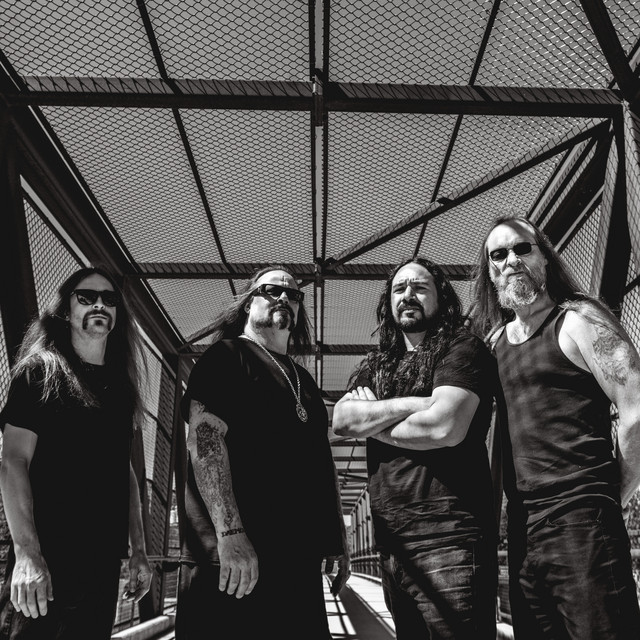
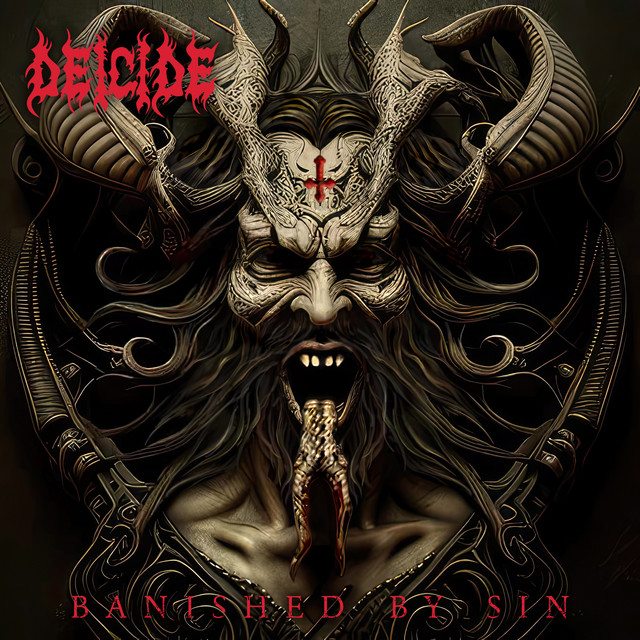
Florida's metal scene has always valued authenticity and musical substance over flashy presentation. The state's death metal legacy was built on powerful songwriting and innovative musicianship rather than theatrical elements. This foundation continues to influence how established Florida death metal acts like Deicide approach their live presentations, prioritizing musical intensity over elaborate staging.
However, as touring becomes increasingly competitive, even underground-influenced bands must consider how to balance authentic presentation with the visual expectations of modern audiences. The technical challenges faced by major touring acts provide valuable lessons for Florida bands planning their own production upgrades.
Industry Infrastructure and Regional Impact
The rapid succession of major shows through Florida venues—from Evanescence's tour launch to various amphitheater bookings—demonstrates the state's growing importance in national touring strategies. This increased activity benefits local musicians through increased venue staff experience, equipment availability, and industry networking opportunities.
For emerging Florida metal acts, this heightened venue activity creates more opportunities for opening slots and festival appearances. Venues hosting major productions often seek local support acts to fill out lineups and reduce booking costs, providing crucial exposure for developing bands.
The state's geographical advantages for touring logistics continue to make Florida an attractive testing ground for new productions. Bands can work out technical issues during Florida runs before heading to larger markets, creating opportunities for local acts to witness professional-level production management firsthand.
Looking Forward: Safety and Innovation
As Florida venues adapt to increasingly complex touring demands, the balance between innovation and safety becomes crucial. The Evanescence incident, while minor in its ultimate impact, serves as a reminder that technical advancement must be matched by comprehensive safety planning.
This principle applies equally to Florida metal bands developing their own live presentations. Whether incorporating pyrotechnics, complex lighting, or multimedia elements, acts must prioritize safety alongside artistic vision. The professional standards demonstrated by major venue staff provide models for how bands should approach production planning.
The legacy that Scott Burns helped establish through his Morrisound work—prioritizing musical power and technical excellence—remains relevant as Florida's metal scene navigates these modern challenges. The goal is enhancing the musical experience without compromising the authentic intensity that made Florida metal influential in the first place.
As both established venues and emerging bands continue evolving their approaches to live presentation, Florida's metal scene benefits from this intersection of historical influence and contemporary innovation. The key lies in applying the lessons learned from both successful productions and occasional technical setbacks to build a stronger, safer, and more dynamic live music environment.