Torche's Saint Vitus Return Puts Miami Sludge Back in the National Conversation
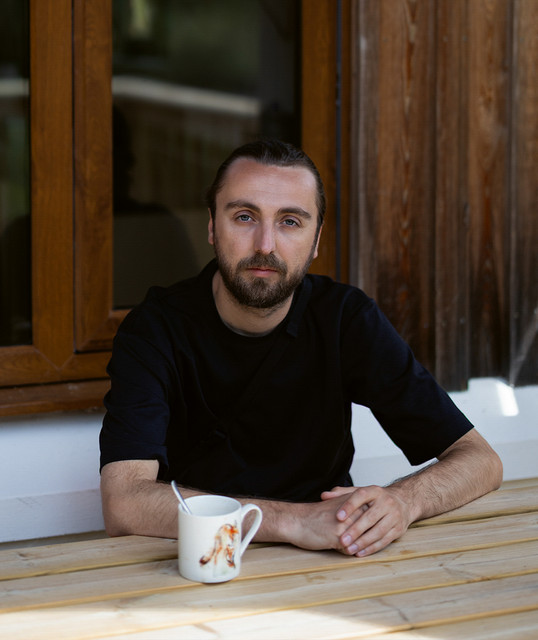
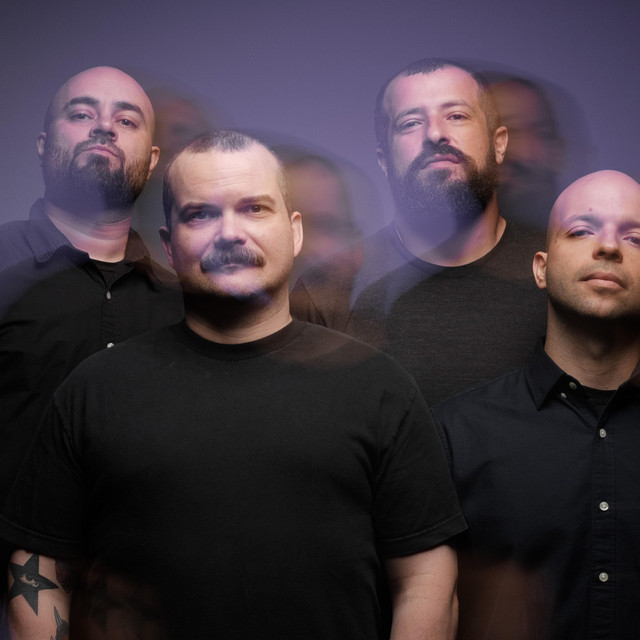
Every so often the national metal news cycle hands Florida a gift wrapped in someone else's headline, and this week it's Miami's own Torche. The sludge and stoner metal institution has announced a November show at Brooklyn's Saint Vitus Bar — the venue's own comeback run is a story in itself — sharing the bill with Spotlights. It's a small line item in the national press, but for anyone tracking the Florida metal scene, it's a reminder that some of the most influential heavy bands of the last two decades still call this state home, and they're still working.
Torche doesn't need an introduction for longtime readers of this site, but it's worth restating why this matters. Since the mid-2000s, the band has built a sound that took the low-end crush of sludge and stoner metal and ran it through a filter of pop songwriting instincts most bands in the genre wouldn't dare touch. That combination made Torche one of the most-cited influences for a generation of heavier bands who wanted riffs without abandoning melody, and it's part of why the band's live shows — in Brooklyn, in Miami, wherever — still draw crowds that skew well beyond the typical doom crowd. A Saint Vitus date is a New York story on paper, but it's a Florida flex in practice: this is what our scene exports.
Mastodon's New Chapter and What It Means for Florida's Post-Metal Underground
Speaking of bands that built empires on riffs heavy enough to bend architecture, Mastodon dropped the music video for "In The Ruins," the latest single from their upcoming album Marrow Deep, due August 28 via Loma Vista Recordings. It's the band's first full-length without founding drummer Brann Dailor's longtime creative foil Brent Hinds, and the animated visual for "In The Ruins" has already generated plenty of chatter about where the Atlanta progressive metal giants go from here.
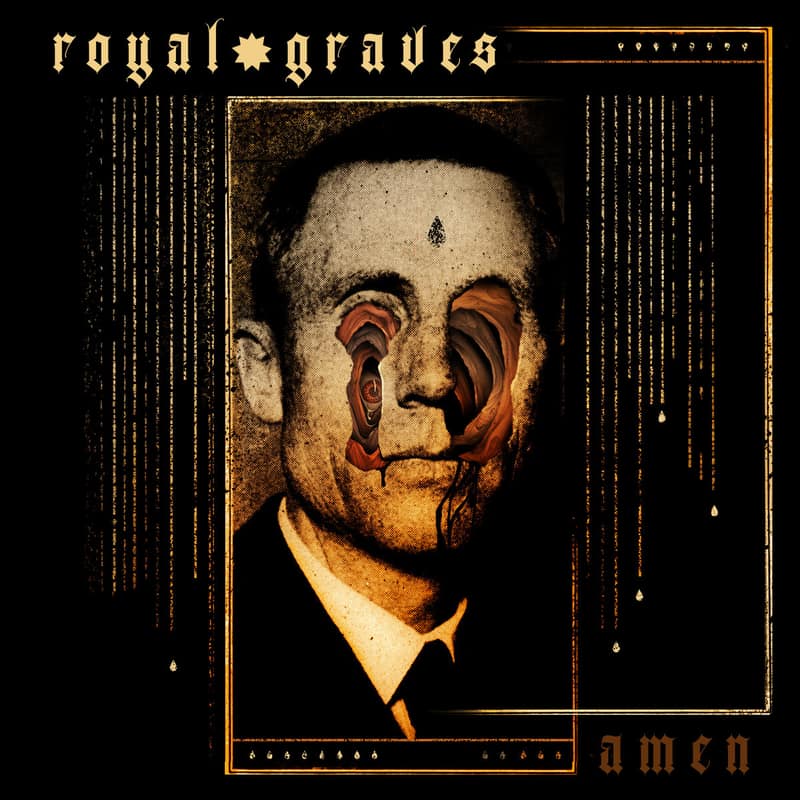
Mastodon isn't a Florida band, but the ripple effects of their sound run deep through this state's post-metal and sludge underground. The genre they helped popularize — thick, riff-driven, unafraid of proggy detours — has real roots in Florida's own scene, where bands like Coffin Dancer, Royal Graves, and Swamp have been quietly building their own version of that heavy-but-melodic sludge template. Post-metal is one of the genres in our index that's long overdue for more coverage — there are nine bands tagged in that space on Florida Metal Index and we haven't given them nearly enough ink. If Mastodon's continued national relevance proves anything, it's that there's still a hungry audience for this style of songwriting, and Florida has the bench to compete.
Godflesh's Decay and the Case for Florida's Experimental Edge
On the more abrasive end of the spectrum, Justin Broadrick's Godflesh announced a new album, Decay, alongside the single "Living/Ending." Broadrick's comments about the record — "Music, for me, is rarely complete, but it has to reach a point where enough is enough" — read like a mission statement for industrial metal's whole approach to repetition and dread. Godflesh has never been a commercially convenient band, and that's exactly the point; they've spent nearly four decades proving that grinding, mechanical extremity can be just as expressive as technical wizardry.
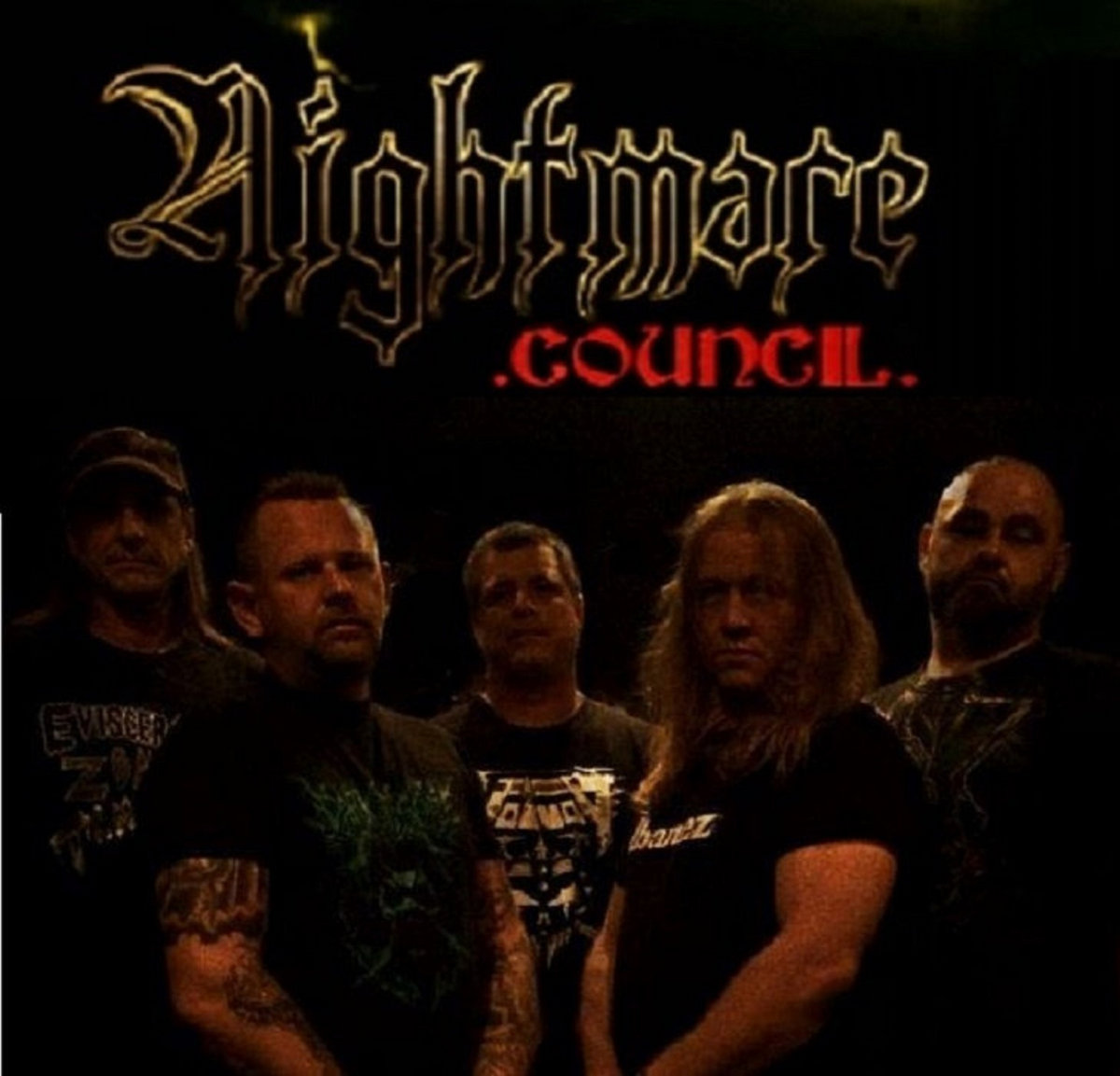
Florida's death metal scene has always had room for bands willing to get weird with structure and texture, and that same experimental streak runs through acts like Nightmare Council, whose experimental death metal approach owes something to the same restless-artist DNA Broadrick has spent his career cultivating. It's not a direct lineage, but the instinct to break form and lean into discomfort is a throughline worth noting when a genre elder like Godflesh puts out new material and reminds everyone why that discomfort still matters.
Skateboard Marketing's 35th Anniversary and the Radio Question Nobody Asks Anymore
It would be easy to skip past a press release about a radio promotion company's anniversary, but Skateboard Marketing turning 35 this month is a genuinely useful hook for a conversation the Florida metal scene doesn't have often enough: how do new bands actually get heard? Founded by Munsey Ricci back in 1991, the company has spent over three decades working commercial, satellite, syndicated, and college radio to break new artists and support legacy acts. That's a business model built almost entirely around relationships and persistence — the same qualities that separate bands who build lasting careers from ones who play a few shows and vanish.
Florida's metal underground is enormous — hundreds of bands across death metal, thrash, sludge, metalcore, and everything in between — but the machinery that used to help bands break out regionally (college radio, satellite programming, tastemaker DJs) has fragmented into a thousand algorithm-driven pieces. That doesn't mean the fundamentals have changed. Bands still need consistent promotion, a story, and someone willing to champion them. That's a big part of why we built this index in the first place, and it's why we keep pushing bands to submit your band and keep our upcoming shows calendar current — visibility doesn't happen by accident, whether you're talking about 1991 or 2026.
Chad Gray's "Big Test" and Florida's Thrash Underbelly
Mudvayne and Hellyeah vocalist Chad Gray gave a candid interview about his upcoming solo tour celebrating 30 years in the business, admitting some real uncertainty about audience appetite: "Do people really wanna see this?" It's a rare moment of honesty from a veteran frontman, and it's worth sitting with. Even artists with platinum records and decades of road experience aren't sure their legacy alone guarantees a crowd. That uncertainty is a daily reality for every band working the Florida circuit right now, from established acts to the new metal bands 2026 is introducing to local stages.
That tension between legacy and relevance is exactly why Florida's thrash scene keeps grinding away regardless of who's watching. Bands like Ares and Syndicate represent the kind of riff-first, no-frills thrash metal that doesn't need a viral moment to justify its existence — it exists because the scene demands it, show after show, regardless of algorithm favor. Chad Gray's willingness to ask the hard question out loud is a good model for every band on the come-up here: you don't get to assume an audience, you have to keep earning it.
The Bigger Picture
None of this week's headlines are explicitly about Florida, but that's almost always the case with national metal news — the story is in how it connects back. Torche's Saint Vitus date is a direct line to Miami's sludge legacy. Mastodon's new album is a mirror for our post-metal underground. Godflesh's Decay is a reminder that extremity and experimentation still have a home. And Skateboard Marketing's three and a half decades of radio hustle is basically a blueprint for anyone trying to figure out how the best metal bands actually get discovered in a landscape that's changed almost beyond recognition since 1991.
Florida's metal scene has never lacked talent — what it's lacked, at times, is the infrastructure to make sure that talent gets seen outside a 50-mile radius. Torche cracked that code years ago. The question for the next wave — whether it's thrash bands like Ares and Syndicate, post-metal acts still waiting for their write-up, or the dozens of death metal bands grinding through Tampa and Orlando basements — is whether they can build the same kind of national footprint without losing what makes them distinctly Florida in the first place.