From Stiffed Paychecks to Stadium Teases: What This Week's Metal Chaos Means for Florida's Underground

Every so often the national metal news cycle serves up a grab bag so scattered — a 95-year-old Star Trek captain promising a "major thing," a legendary nu-metal band teasing a stadium show, a drummer with the flu derailing a tour stop — that it's hard to find the thread. But if you squint, this week's headlines all circle back to the same question Florida bands ask themselves every single weekend: who's actually looking out for the people doing the work?
Amerakin Overdose's "Parasite" Is a Warning Shot for Every Local Promoter
The story that hit hardest this week wasn't a reunion or a reissue — it was Amerakin Overdose writing an entire new track, "Parasite," in direct response to getting stiffed by a promoter. Their claims reportedly made it into local media coverage, which tells you this wasn't a quiet grievance settled backstage; it became public enough to matter.
Florida bands know this story by heart. Anyone who has played a DIY bill in Tampa, a basement show in Jacksonville, or a battle-of-the-bands cash-grab in Orlando has a version of this tale. The venues change, the promoter's excuses change, but the math rarely does: bands show up, bands perform, bands get told the money "fell through." It's part of why outlets like this one exist — to put a spotlight on the scene's business side, not just its riffs. Florida's noise rock underground has its own share of bands grinding through exactly this kind of DIY gauntlet, and acts like Wrong represent the scrappy, confrontational end of that scene — the kind of band built on exactly the ethos that makes a song like "Parasite" resonate. When a band turns a bad business deal into a weapon instead of a quiet resentment, that's a very metal (and very punk) response, and it's one Florida's own promoters should take note of.
Straight Edge Isn't Just Surviving — It's Organizing
On a more hopeful note, members of Stick To Your Guns and Eighteen Visions have launched a new straight edge group called ALIVE through a fresh label venture from HardLore, and No Cure dropped a cover of Brotherhood's "Till Death" to mark 2026's "Edge Day," complete with a merch capsule. Straight edge hardcore has always had a strange, stubborn permanence — it doesn't trend, it just persists, generation after generation, through exactly the kind of community-building these two stories represent.
Florida's hardcore and crossover thrash corners have their own stake in that lineage. Bands like Cold Steel carry a similar ethos of discipline and physicality that straight edge culture has always fed into — fast, aggressive, no-nonsense music built around community rather than spectacle. If ALIVE and No Cure's Edge Day release prove anything, it's that the straight edge underground still has enough gravity to pull new labels and new bands into orbit, and that's a trend worth watching as it ripples south.
The Reunion Circuit Keeps Getting Weirder (and More Honest)
Biohazard bassist/vocalist Evan Seinfeld gave an interview this week about the band's classic-lineup reunion, and his framing was refreshingly blunt:
"It's incredible that we're all alive."
That's not a line you hear in most reunion press cycles, but it fits the moment. Biohazard's reunited lineup released "Divided We Fall" in 2025 after two years of global touring, and Seinfeld's comment lands as a quiet acknowledgment of how brutal the road — and the decades — can be on a band's lineup.
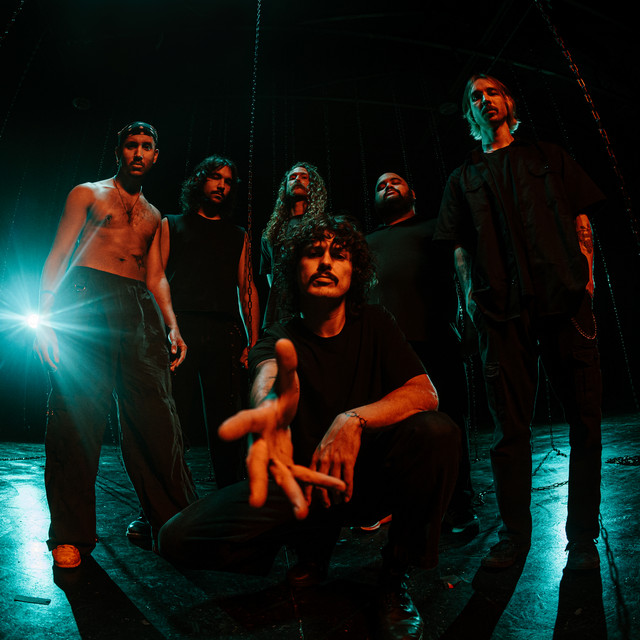
Florida has plenty of its own legacy death metal institutions that understand this calculus intimately. The state practically wrote the book on long-running death metal bands weathering lineup shifts, breakups, and comebacks, and Tampa's own Massacre is a textbook example of a band that's been through exactly that cycle of dissolution and resurrection. When veteran bands talk about reunions in terms of survival rather than nostalgia, it's a reminder that longevity in this genre is its own kind of achievement — one Florida's scene has modeled for thirty-plus years.
Ministry Calls It, Rush Postpones, and the Road Keeps Collecting Its Toll
Al Jourgensen confirmed what many suspected: Ministry's touring cycle behind the upcoming "Hate To Go (Take Out Or Delivery)," due October 30 via Cleopatra Records, will be the band's last.
"I think that Ministry has run its course."
Meanwhile, Rush was forced to postpone a San Jose show after drummer Anika Nilles came down with the flu. Neither story is catastrophic on its own, but together they're a reminder of something touring bands at every level — arena headliners and local openers alike — deal with constantly: bodies break down, schedules collapse, and the machine behind a tour is a lot more fragile than the poster suggests. If you've ever shown up to a Florida club show only to find the headliner swapped or the set shortened because someone lost their voice, you already understand the stakes Jourgensen and Rush are navigating, just at a much bigger scale.
Spectacle Is Back: SOAD's Stadium Tease and Shatner's Metal Album
System Of A Down appears to be teasing a Los Angeles stadium show, with projections and posters popping up around the city hinting at something big for 2027. Whatever it is, it's clearly designed to be an event, not just a concert — and that impulse toward spectacle is contagious right now.
Case in point: William Shatner, 95 years old, telling Fox News that his Riot Fest performance proved the "viability" of his upcoming record "What The F Is Heavy Metal?," tentatively due in 2027 via Cleopatra Records.
"This is gonna be a major thing."
It's easy to laugh this off, and plenty of people will. But there's something fitting about a nonagenarian sci-fi icon deciding heavy metal is the genre that can still carry theatrical ambition in a way pop and rock increasingly can't. Florida's own heavy metal and NWOTHM-leaning bands understand that appeal better than most — the genre has always been as much about showmanship as riffs. Acts like Atlas are part of a quietly growing wave of new metal bands 2026 should be watching, bands leaning into melodic, classic-style heavy metal songwriting at a moment when even a Star Trek captain wants in on the genre's dramatic flourishes.
Mainstream Crossovers Keep Reminding Us Where Rap-Rock Came From
Elsewhere, Kid Rock's new Christian album "Halfway 2 Jesus" dropped with an Eminem guest feature on "Heal My Faith," and My Chemical Romance resurfaced a rare 2007 live performance of "Someone Out There Loves You." The Pretty Reckless, meanwhile, brought in Dave Grohl and Pat Smear for a new single called "About You."
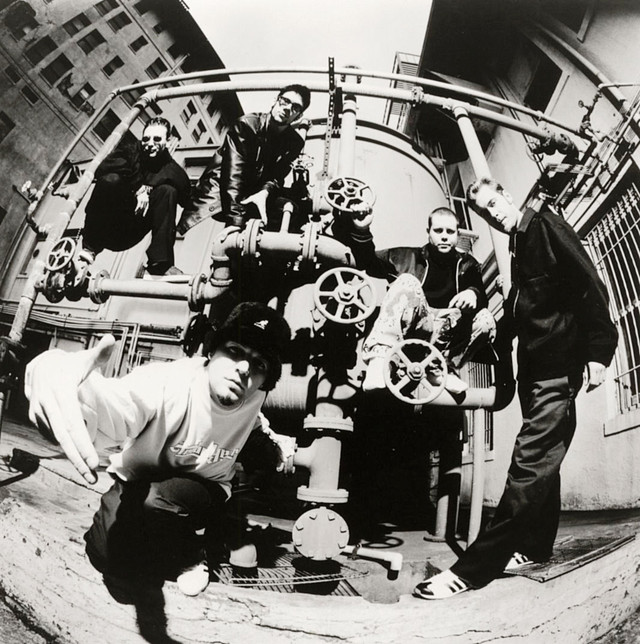
None of these stories are Florida stories on the surface, but the Kid Rock/Eminem pairing is a useful reminder of how deep rap-rock's roots run, and Florida has its own towering contribution to that lineage: Jacksonville's Limp Bizkit, a band that helped define the entire genre decades before it became fashionable again for mainstream rap and rock artists to collide on a single track.
The Takeaway for Florida's Scene
Strip away the stadium teases and the celebrity novelty albums, and the throughline this week is really about accountability — bands getting stiffed and fighting back, straight edge crews organizing instead of just surviving, legacy acts being honest about mortality instead of selling pure nostalgia. That's the same conversation happening every week in Florida's clubs and DIY spaces, whether it's a noise rock band dealing with a shady booker or a death metal act celebrating its twentieth year of existence against the odds.
If there's a lesson for the Florida metal scene buried in all this national noise, it's that the best metal bands — local or global — are the ones who treat their community, their crews, and their own history with some honesty. Keep an eye on upcoming shows around the state this month, and if you're in a band building something worth covering, don't wait for a national outlet to notice — submit your band and let Florida Metal Index tell your story first.